
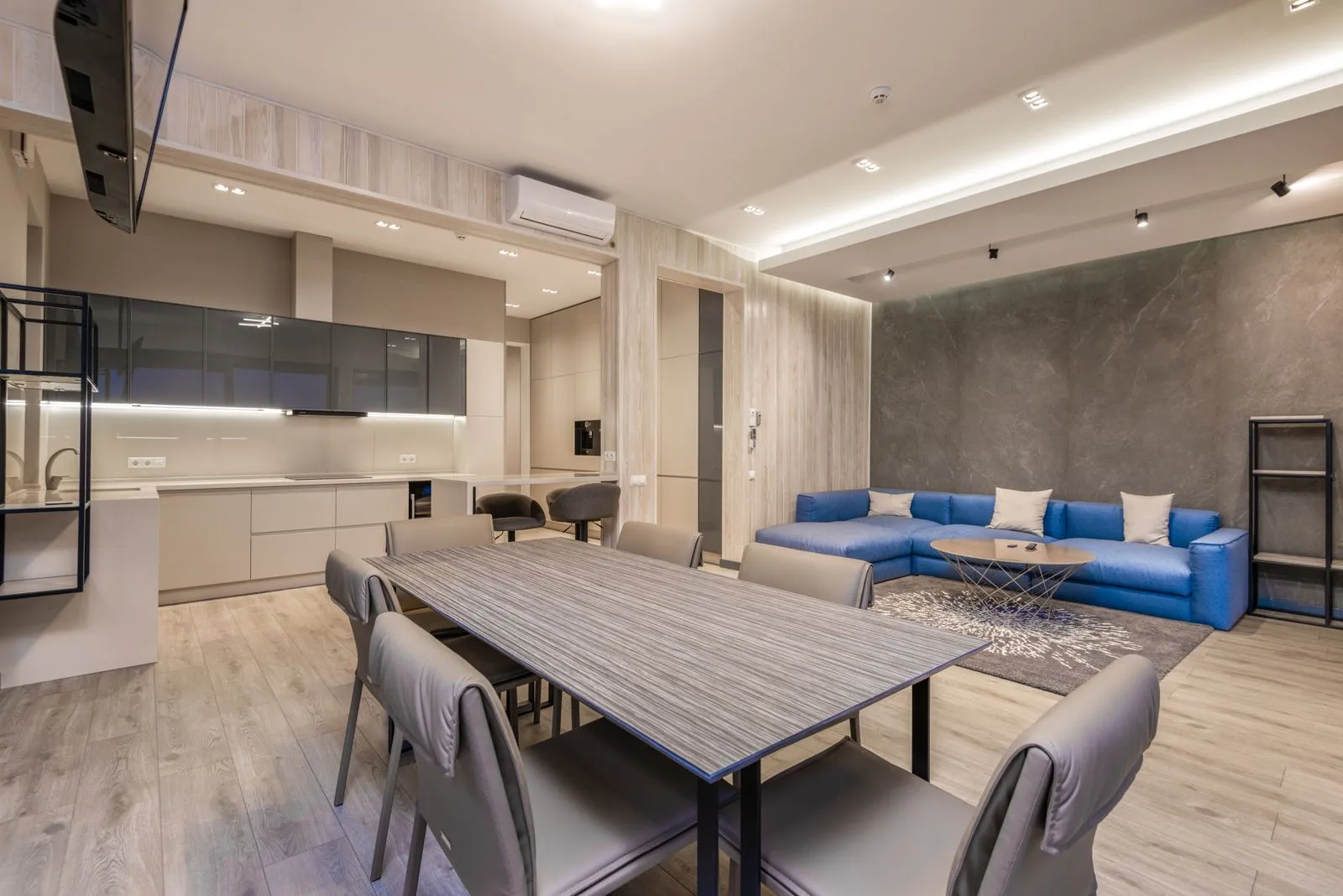
Kitchens and bathrooms ask more of a floor than most rooms. Water, cooking spills, frequent cleaning, and changes in humidity can affect both appearance and performance. Luxury vinyl offers a practical range of styles, but products differ in construction, surface finish, and installation requirements. To choose well, look beyond a wood or stone look: check how the floor handles moisture, how it feels underfoot, and whether its care and installation needs suit the room.
Understand Water Resistance
Many luxury vinyl products are designed to resist water, but water resistance does not make every floor or installation waterproof. Spills that sit on the surface are different from water that seeps beneath the planks or reaches the subfloor. Review the manufacturer’s instructions for wet-room suitability, seam performance, and any limits on standing water before choosing a product.
In bathrooms, consider splash zones near tubs, showers, and sinks. In kitchens, think about the dishwasher, refrigerator, and sink connections. A leak can affect the subfloor even when the vinyl itself is not damaged. Fix plumbing issues promptly, wipe up spills, and follow the product guidance for sealing edges or transitions.
Choose a Practical Surface
A textured finish can add visual depth and provide more grip than a very smooth surface, especially when footwear or bare feet are damp. Compare samples under the room’s lighting and feel them with your hand and foot. Texture, gloss, and color all affect how visible everyday dust, water marks, and crumbs may be.
Check the wear layer and care instructions for the specific product. A suitable protective layer helps the floor stand up to regular household use, but it does not make the surface scratch-proof. Use felt pads under furniture, lift rather than drag heavy appliances, and place mats where they will not trap moisture underneath.
Plan Installation Carefully
A dependable installation begins with a sound, clean, and level subfloor. Uneven spots can show through some vinyl products or affect how planks lock together. Ask whether the product is designed for a floating, glue-down, or other installation method, and make sure the chosen method is appropriate for the room and substrate.
Moisture management matters even with a water-resistant floor. Follow instructions for acclimation, expansion gaps, underlayment, and transitions rather than assuming one approach fits every product. In a bathroom, pay particular attention to edges around fixtures and doorways. Confirm who will handle removal of existing flooring, subfloor repairs, and final trim before work begins.
Match Style to the Room
Luxury vinyl can echo hardwood, stone, or tile while offering a different feel underfoot. Choose a pattern scale that suits the room: broad planks can look calm in an open kitchen, while smaller visual elements may complement a compact bath. Bring samples home and view them beside cabinets, counters, paint, and tile at different times of day.
Color and finish shape the room’s overall impression and maintenance routine. Mid-tone patterns can balance light cabinetry or darker counters, while a highly uniform surface may make marks easier to notice. Also consider plank direction, grout-line effects, and how the flooring will meet adjacent rooms so the finished design feels considered.
For kitchens and bathrooms, compare product specifications, surface feel, installation requirements, and design samples together. The right choice depends on the room’s moisture exposure, subfloor condition, and daily routines—not appearance alone. Greenville Vinyl Co. can help you review options and plan a floor that suits your space; bring room measurements and finish samples when you visit.